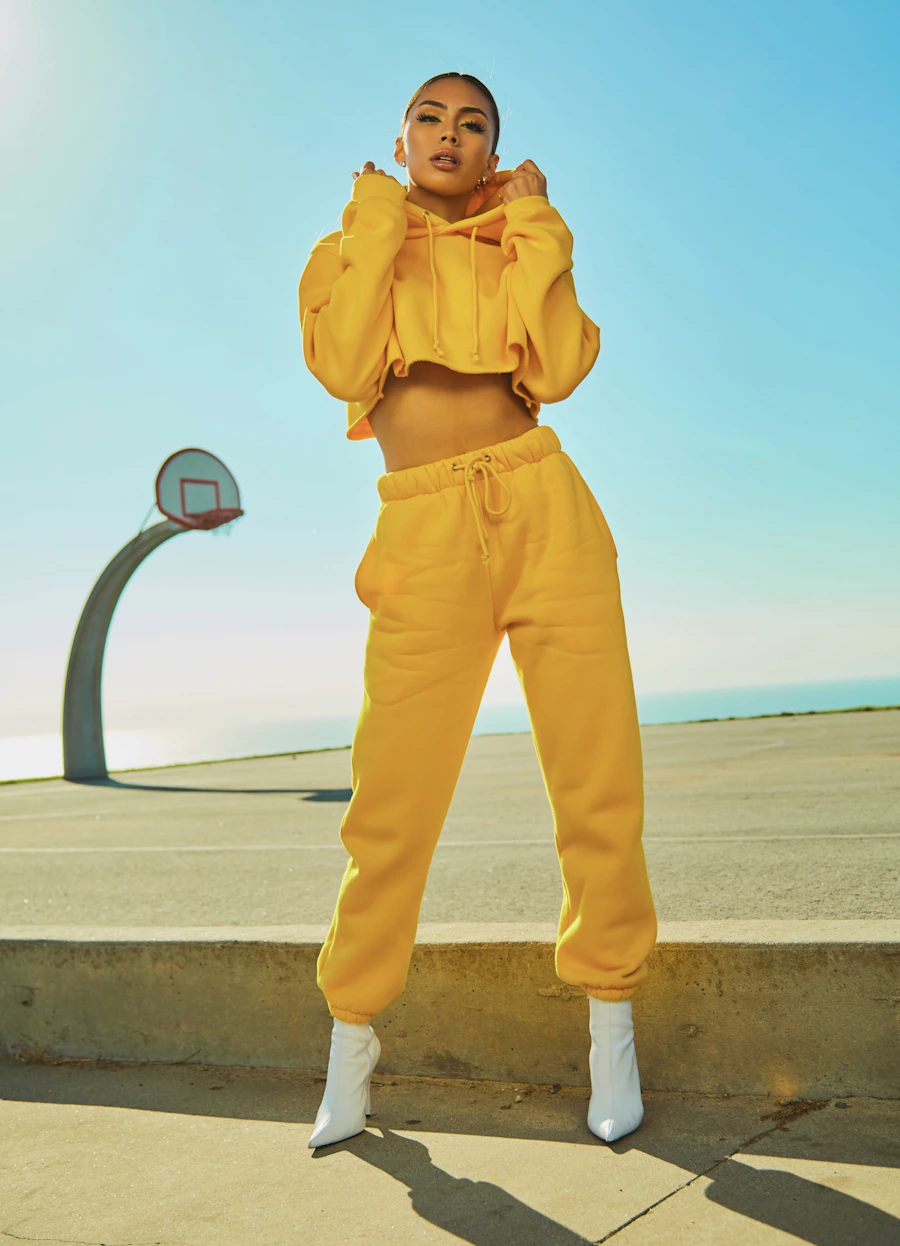
Clothing is more than its appearance. The fabric, stitching, weight, and construction all influence how a garment feels during everyday use https://orslow.co/. A simple shirt made from comfortable cotton can become a regular favorite, while a dependable jacket can provide an easy outer layer for different seasons.
The workwear-inspired approach associated with orSlow highlights the value of practical clothing. Rather than relying on complicated designs, it focuses on familiar silhouettes, useful details, and materials that suit repeated wear. Understanding these elements can help anyone make more thoughtful clothing choices.
Why Fabric Choice Matters
Fabric affects how clothing moves, feels, and performs throughout the day. Some materials are lightweight and breathable, while others provide more structure or warmth. Choosing the right material for your routine can make a noticeable difference in everyday comfort.
A well-chosen fabric also influences the overall appearance of an outfit. Textured cotton, sturdy denim, and canvas each bring a different character to casual clothing. These materials can create visual interest without requiring bold patterns or unnecessary decoration.
When shopping, consider the purpose of the garment and the conditions in which you plan to wear it. A lightweight shirt may be suitable for warmer days, while a heavier jacket can be more useful during cooler weather.
Cotton for Everyday Comfort
Cotton is widely used in everyday clothing because it has a familiar, comfortable feel. It appears in T-shirts, casual shirts, trousers, and lightweight jackets. Depending on the weave and fabric weight, cotton garments can feel soft and flexible or more structured.
A basic cotton shirt is one of the easiest pieces to include in a practical wardrobe. It can be worn with jeans, relaxed trousers, or shorts. Neutral colors such as white, grey, navy, and beige make everyday combinations simple.
Cotton also comes in different textures and finishes. Paying attention to fabric thickness and construction can help you choose clothing that suits your preferred fit and the weather.
The Character of Denim
Denim has a strong connection with traditional work clothing. Its recognizable texture and sturdy construction have made it a lasting part of casual fashion. Jeans can be worn with basic shirts, knitwear, and different types of outerwear.
Different denim washes create different moods. Dark indigo often looks clean and understated, while lighter washes can feel more relaxed. The fit matters just as much as the color, so consider straight, tapered, or relaxed shapes based on your comfort.
Denim jackets are another useful option. They can be layered over simple shirts and work well with cotton trousers or other casual pieces. Choosing a comfortable fit allows room for movement and additional layers.
Canvas and Other Structured Fabrics
Canvas is a practical material often associated with utility clothing, bags, and outerwear. Its structured appearance makes it suitable for jackets and trousers that need a little more shape. Canvas pieces can also add texture to outfits built around softer cotton garments.
Other woven fabrics can offer different benefits. Twill, for example, is commonly used for trousers and casual jackets. Its diagonal weave gives the material a distinctive surface and makes it a familiar choice for everyday clothing.
When choosing structured garments, look at the weight and flexibility of the material. A jacket should feel comfortable when you move your arms, sit down, or wear another layer underneath.
Find the Right Balance Between Fit and Comfort
Even a well-made garment may not feel right if its fit does not suit your body or daily activities. Clothing should allow comfortable movement without looking unnecessarily oversized or restrictive.
Pay attention to shoulder seams, sleeve length, trouser rise, and overall garment length. These small details can influence how an outfit looks when worn together.
Relaxed workwear-inspired clothing often leaves enough room for natural movement. This makes it easier to layer shirts and jackets while keeping an outfit comfortable throughout the day.
How to Combine Different Materials
Mixing fabrics is a simple way to make casual outfits more interesting. You do not need many colors or accessories when different materials already provide texture and contrast.
- Cotton and denim: Pair a plain cotton shirt with straight-leg jeans.
- Canvas and twill: Combine a structured jacket with relaxed cotton trousers.
- Denim and knitwear: Wear a denim jacket over a simple sweater.
- Lightweight cotton and heavier layers: Use a basic shirt under a practical outer jacket.
Keep the color palette balanced so the different textures can stand out naturally. Neutral shades make these combinations especially easy to wear.
Care Tips for Everyday Fabrics
Proper care helps clothing remain useful for longer. Always check garment labels before washing, use suitable settings, and avoid unnecessary heat when drying. Different materials may require different care routines.
Store jackets and shirts neatly, and give heavier garments enough space to maintain their shape. Small repairs, such as replacing a loose button or fixing a seam, can also help keep frequently worn pieces in good condition.
Final Thoughts
Quality fabrics play an important role in comfortable everyday clothing. Cotton, denim, canvas, and twill each offer different textures and practical qualities that can support a versatile wardrobe.
By paying attention to material, fit, and construction, you can choose clothing that feels right for your routine. A thoughtful approach to workwear-inspired style is not about owning more garments. It is about selecting useful pieces that work well together and remain enjoyable to wear.